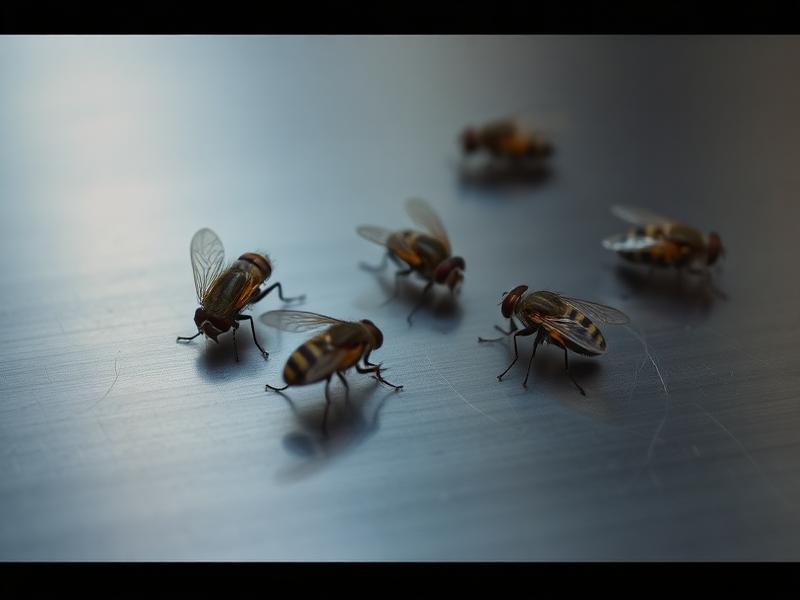
Flies
General overview: detection, proofing and source control around waste, drains and loading docks.
Flies and wasps pose a direct hygiene and safety risk in hospitality and food processing. We combine proofing, trapping and source control.
This dossier is free for everyone. Our services are for businesses.
Identification and approach per species.
General overview: detection, proofing and source control around waste, drains and loading docks.
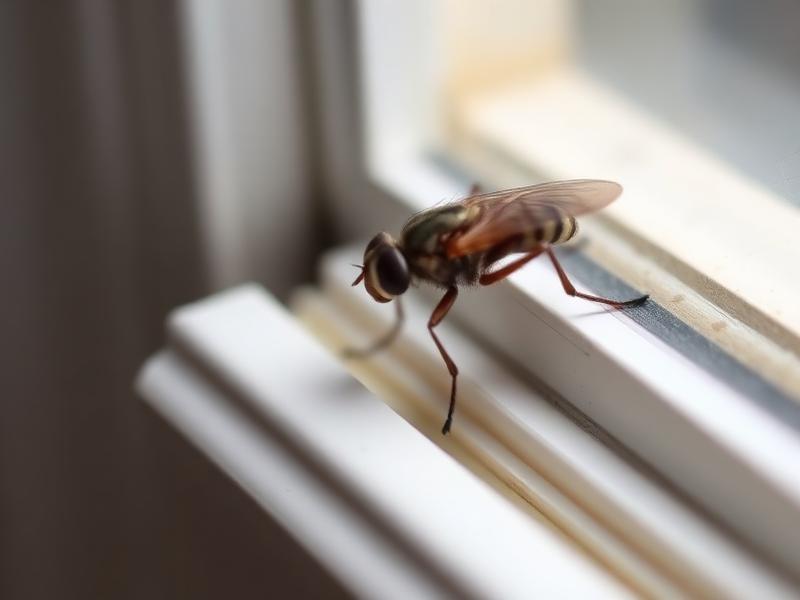
Most common indoors. The breeding site is almost always in organic waste or contaminated drains.
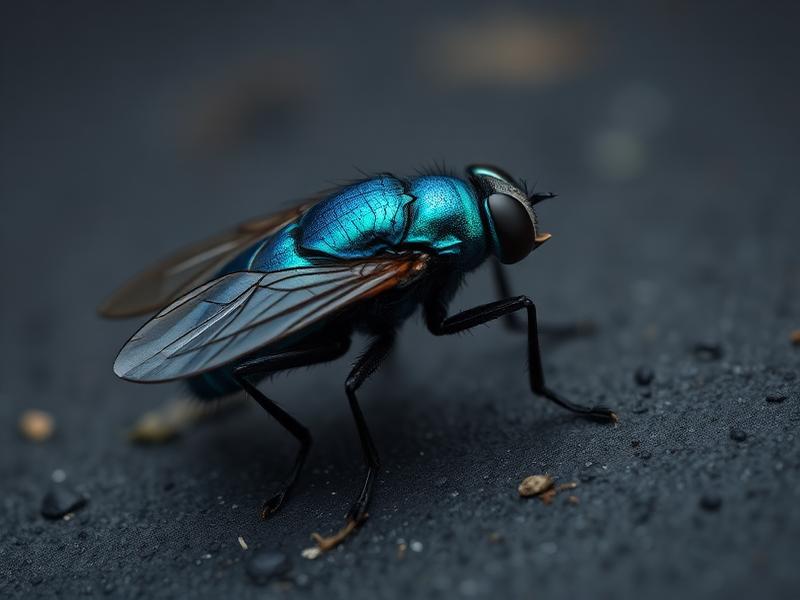
Indicate a carcass or perishable material in or around the building. Finding the source is step one.
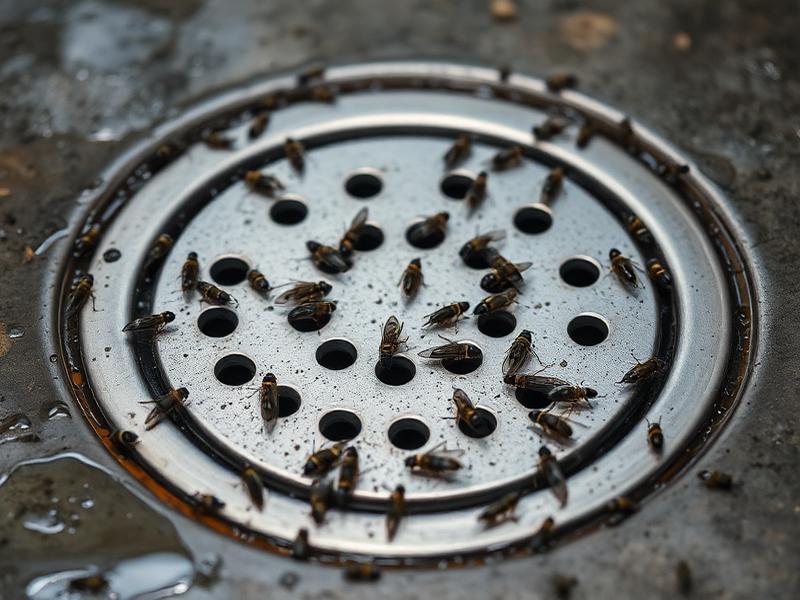
Breed in the biofilm of drains and grease traps. Cleaning and enzyme treatment of pipes.
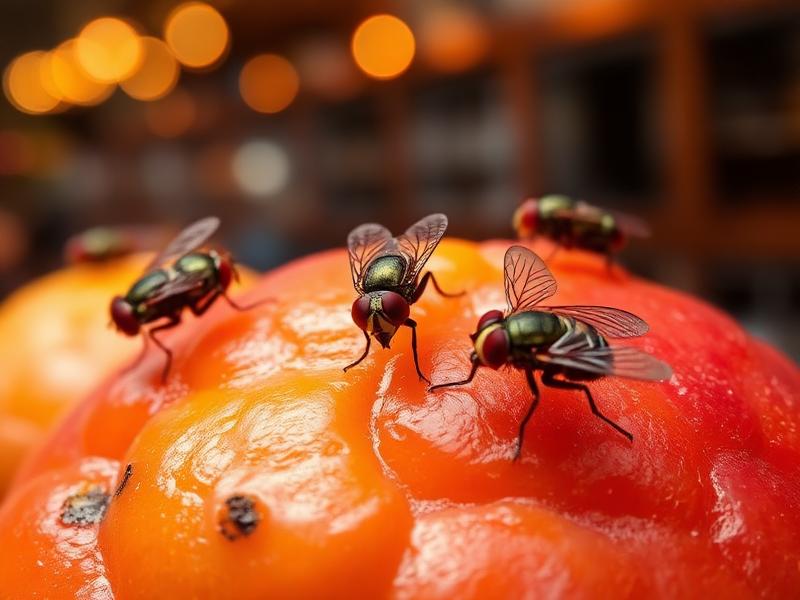
Attracted by fermenting fruit, beer and soft drink residue. Source control behind bars and in storage.
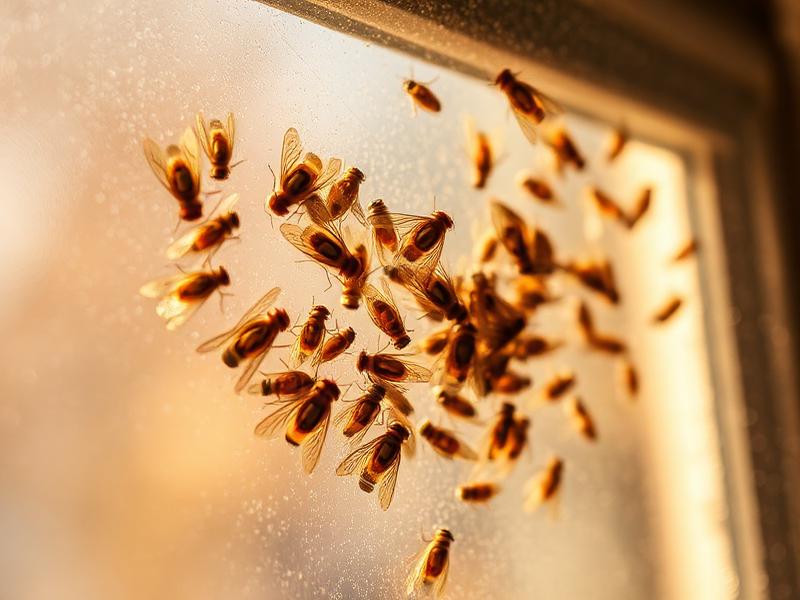
Cluster flies seek out cavity walls and attics in autumn. Proofing before the season works best.
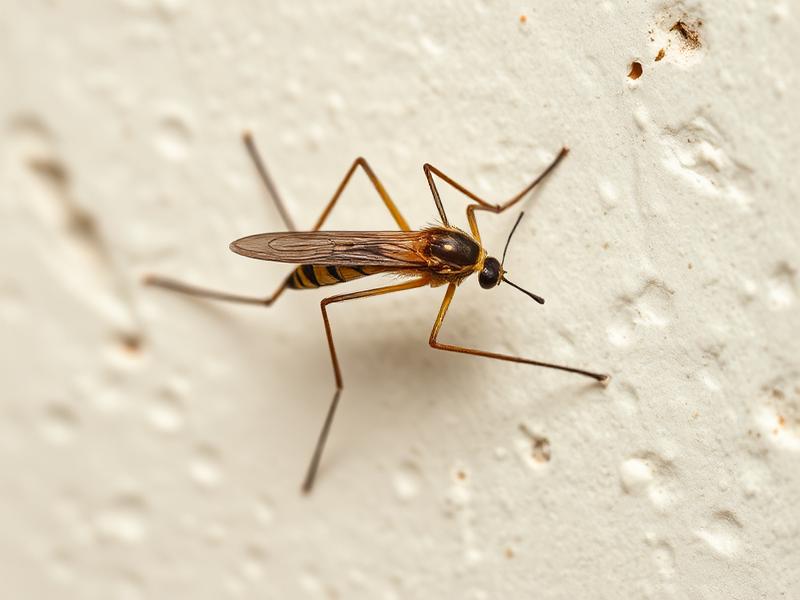
Breed in stagnant water on roofs, in drains and water butts. Proofing and source management.
Larvae can damage wool and other animal-derived fibres. Check rarely used textile storage.
Check dry goods for larvae and webbing. Remove affected products and protect remaining stock.
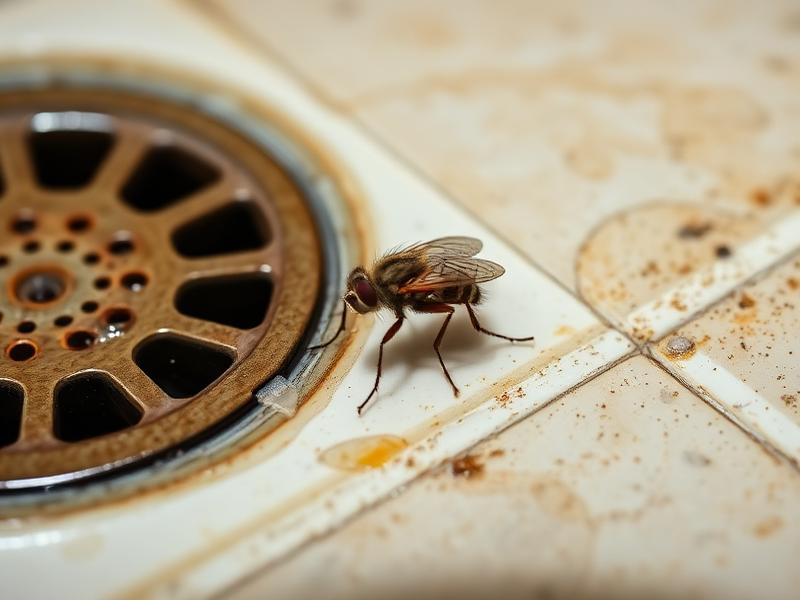
Small, hairy flies from drains and grease separators. These are flies, not moths; inspect organic deposits as a possible source.
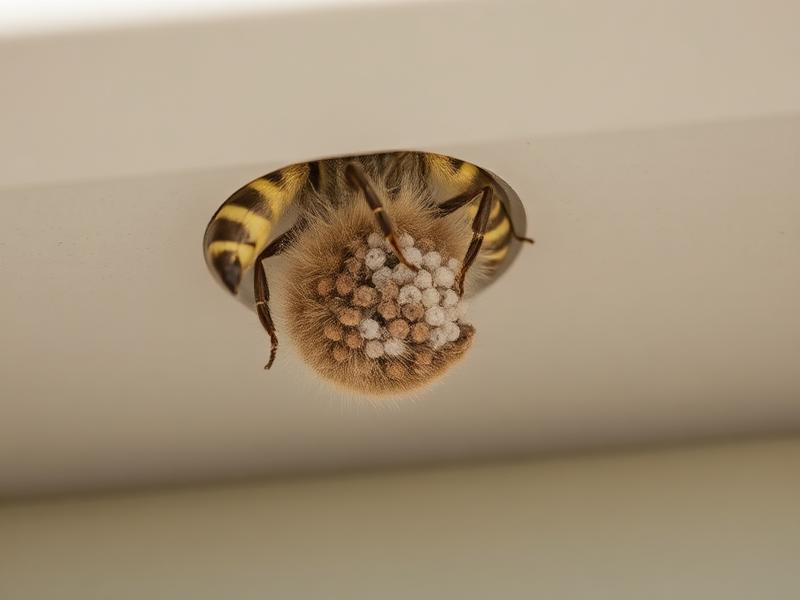
Safely remove or relocate nests. Identify the species and assess safety and applicable rules; relocation is not always possible.
Wasp stings for staff and guests, contamination of prepared food and HACCP deviations.