Brown rat
Rattus norvegicus
Brown rats are often seen around food, waste and sheltered locations. A rat problem calls for investigation of food sources, access routes and possible defects in the building or drainage system.
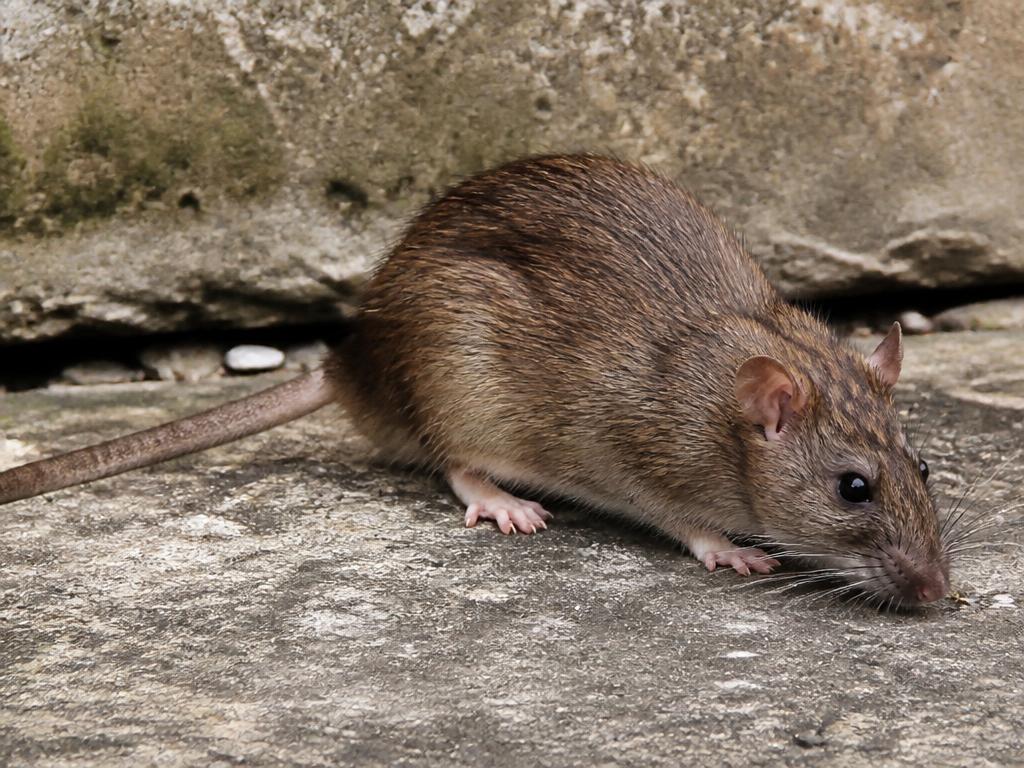
Brown rat or black rat?
Brown rats generally have a sturdy build and a relatively blunt snout. Black rats have more prominent ears and a slimmer build. Fur colour alone is not enough for reliable identification.
Habitat and signs
Brown rats can burrow and use shelter around buildings, vegetation and water. Holes in the ground, gnawing damage and repeated sightings are clues, but a hole in the garden is not automatically a rat burrow.
Check around waste containers, stored materials and drains. Record sightings so that a property manager or specialist can carry out a targeted inspection.
Preventing rat problems
Keep waste sealed, do not leave feed outdoors and limit easily accessible food scraps. Have damaged drains or structural openings investigated.
Do not approach or catch a rat with bare hands. Discuss recurring problems with a specialist; on public land, you can report the issue to the municipality. A single trap will not resolve a defective drain or remove a food source.
Frequently asked questions
Sources and further information
General information, not a diagnosis for your location. Have the species identified if in doubt. Consult a healthcare professional about health symptoms and do not use pesticides without appropriate instructions.
Further reading
Help for your business
RBL Services helps business clients in Noord-Holland, Utrecht, Zuid-Holland and Flevoland. Discuss an inspection for your business premises, kitchen, production site or homeowners’ association.
Business pest management →